

Spring Storm Ready: What Every Homeowner Needs to Know
Spring weather brings a mix of wind, heavy rain, and hail that can quickly expose weak points around your home. Many homeowners wait until damage appears, but preparing ahead of a spring storm reduces risk and prevents avoidable repairs. Taking a proactive approach helps you stay in control rather than reacting after problems arise.
Knowing how to prepare your home for storms gives you a clear advantage as conditions begin to shift. Small maintenance steps and early checks can significantly improve how your property handles sudden changes in weather. Getting ready for a spring storm now helps protect your home, reduce stress, and avoid costly surprises later.
Spring Storm Preparation Checklist for Homeowners
Preparing your home for a spring storm involves checking your roof, clearing gutters, securing exterior materials, and ensuring proper drainage around your property. Proactive maintenance reduces the risk of damage from wind, hail, and heavy rain while improving overall structural resilience. Homeowners who prepare early can prevent costly repairs and keep their property protected throughout storm season.
Common Spring Storm Risks Homeowners Should Expect
Spring weather often brings unpredictable conditions that can quickly stress different parts of your home’s exterior. Wind, hail, and heavy rain each pose unique risks that can cause damage if your home is not prepared in advance. Understanding the most common spring storm threats helps you take action early and reduce the chances of costly repairs.
1. High Wind Gusts
Strong winds can lift shingles, loosen flashing, and tear off unsecured exterior materials during sudden storms. Wind damage often starts small but quickly exposes your roof and siding to further problems.
2. Hail Impact Damage
Hail can bruise shingles, crack protective layers, and weaken roofing materials without always leaving obvious signs. Hail damage often shortens a roof's lifespan and increases the risk of leaks over time.
3. Heavy Rain and Water Intrusion
Extended rainfall can overwhelm drainage systems, forcing water into small openings around your roof and siding. Poor water flow increases the likelihood of leaks and interior moisture issues.
4. Rapid Temperature Swings
Sudden shifts between warm and cold temperatures can cause roofing materials to expand and contract repeatedly. Stress from these changes weakens seals and contributes to long-term wear.
5. Flying Debris and Impact Hazards
Loose branches and debris carried by wind can strike your home, damaging roofing, siding, or windows. Impact damage often occurs quickly and may not be immediately visible from the ground.
How to Get Your Roof and Gutters Ready for a Spring Storm
Preparing your roof and gutters before a spring storm helps reduce the risk of water damage and structural issues once severe weather arrives. Small maintenance steps improve drainage and reduce stress on roofing materials during heavy rain and wind conditions. Taking action early gives your home a stronger defense against common storm threats.
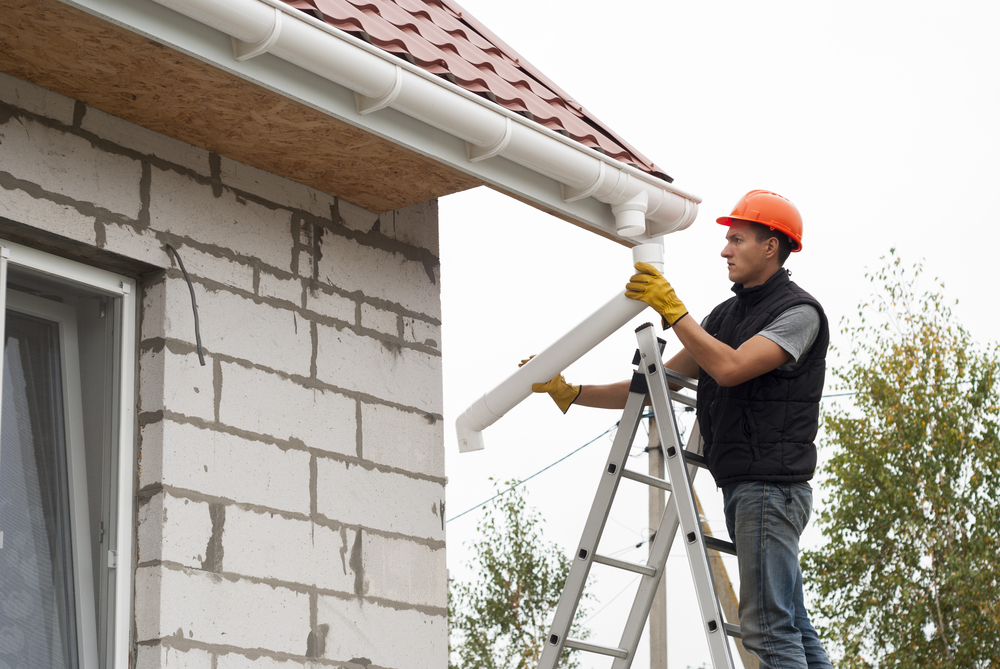
Clearing debris from gutters ensures water flows properly away from your roof and foundation during intense rainfall. Blocked systems can lead to overflow, which increases the risk of leaks and exterior damage. Downspouts should direct water far enough from your home to prevent pooling near the base.
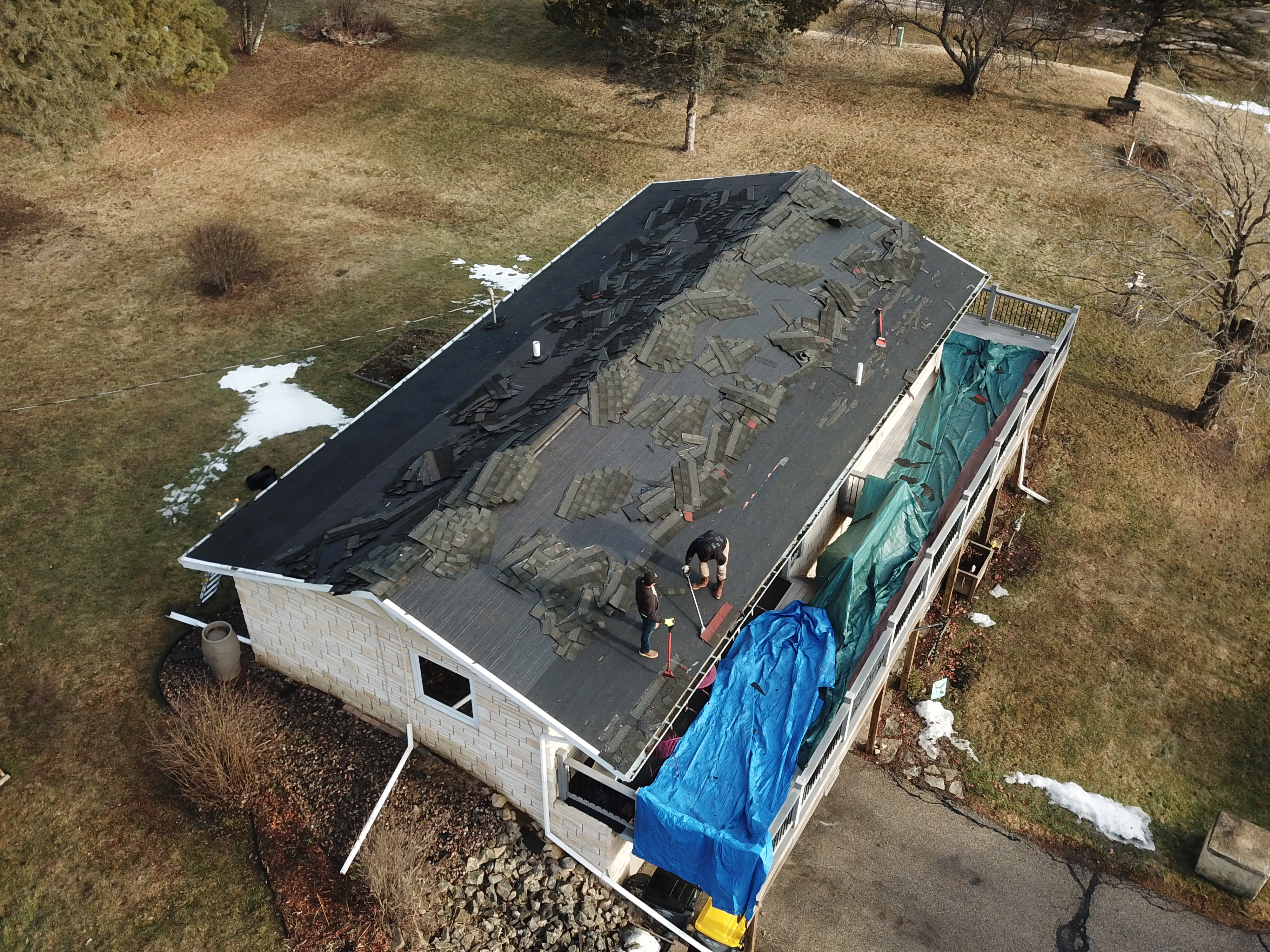
Checking your roof for loose shingles, worn flashing, and minor damage helps prevent small issues from becoming major failures. Areas that appear stable can still weaken under pressure from wind and heavy rain. A professional inspection helps confirm your roof and gutter system are fully prepared before the next spring storm hits.
Exterior Checks That Help With Storm Damage Prevention
Checking exterior areas before storm season helps reduce vulnerabilities that often lead to damage during severe weather events. Siding, drainage, and ground grading all play a role in how well your home handles heavy rain and wind exposure. Addressing these areas early improves overall resilience and supports effective storm damage prevention.
Water should always move away from your home, which makes proper grading and drainage essential during storm conditions. Poor drainage can lead to pooling near the foundation, increasing the risk of structural issues over time.
Small adjustments to slope and water flow can make a significant difference during heavy rainfall. Siding should also be secure and free from cracks or gaps that allow moisture to penetrate during wind-driven rain.
Loose panels or damaged sections can worsen quickly once exposed to repeated storm conditions. A thorough exterior check helps confirm your home is better prepared to handle the impact of a spring storm.
How to Prepare Your Home for Storms Before Severe Weather Hits
Preparing your home before severe weather arrives helps you stay ahead of damage instead of reacting after problems develop. A clear plan ensures you can act quickly as conditions change and reduces the risk of last-minute issues.
Early preparation also helps protect both your property and the people inside your home.
Secure loose outdoor items that could become hazards during strong winds.
Trim nearby branches that could break and cause damage during a storm.
Check windows and doors for proper sealing to prevent water intrusion.
Test sump pumps or drainage systems to ensure they function during heavy rain.
Keep emergency supplies ready in case conditions limit movement or access.
Taking these steps allows you to respond confidently when a spring storm approaches your area. Preparation reduces the chances of preventable damage and improves your ability to manage unexpected conditions. A proactive approach to storm readiness helps protect your home and limits disruption during severe weather.
When to Call a Contractor After a Spring Storm
Knowing when to call a contractor after a spring storm helps prevent minor issues from becoming larger structural problems. Damage is not always obvious, especially when it affects underlying layers or less visible areas of your home. Acting early gives you a better chance of addressing problems before they worsen.
Storm damage often shows up in ways that are easy to overlook during a quick visual check. Small signs can indicate deeper issues that require professional evaluation.
Delaying action after a spring storm increases the risk of moisture intrusion and long-term structural concerns. Early response helps contain damage before it spreads.
Waiting too long can turn minor repairs into larger, more expensive projects over time. Timely inspection keeps issues manageable and easier to resolve.
A professional inspection provides clarity on whether your home sustained damage that requires attention. Contractors assess both visible and hidden areas to determine the full extent of impact. Early evaluation reduces guesswork and ensures proper next steps.
Book a Pre-Storm Inspection Before the Next Spring Storm Hits
Preparing ahead of severe weather helps reduce risk and keeps your home ready for changing conditions. A pre-storm inspection identifies weak points before they are exposed to wind, rain, and debris. Early preparation supports better performance during each spring storm.
CP3 Contracting provides thorough inspections designed to catch issues before they become costly problems. Experienced crews evaluate roofing and exterior systems to ensure readiness. Book a pre-storm inspection with us at CP3 Contracting to keep your home protected.