
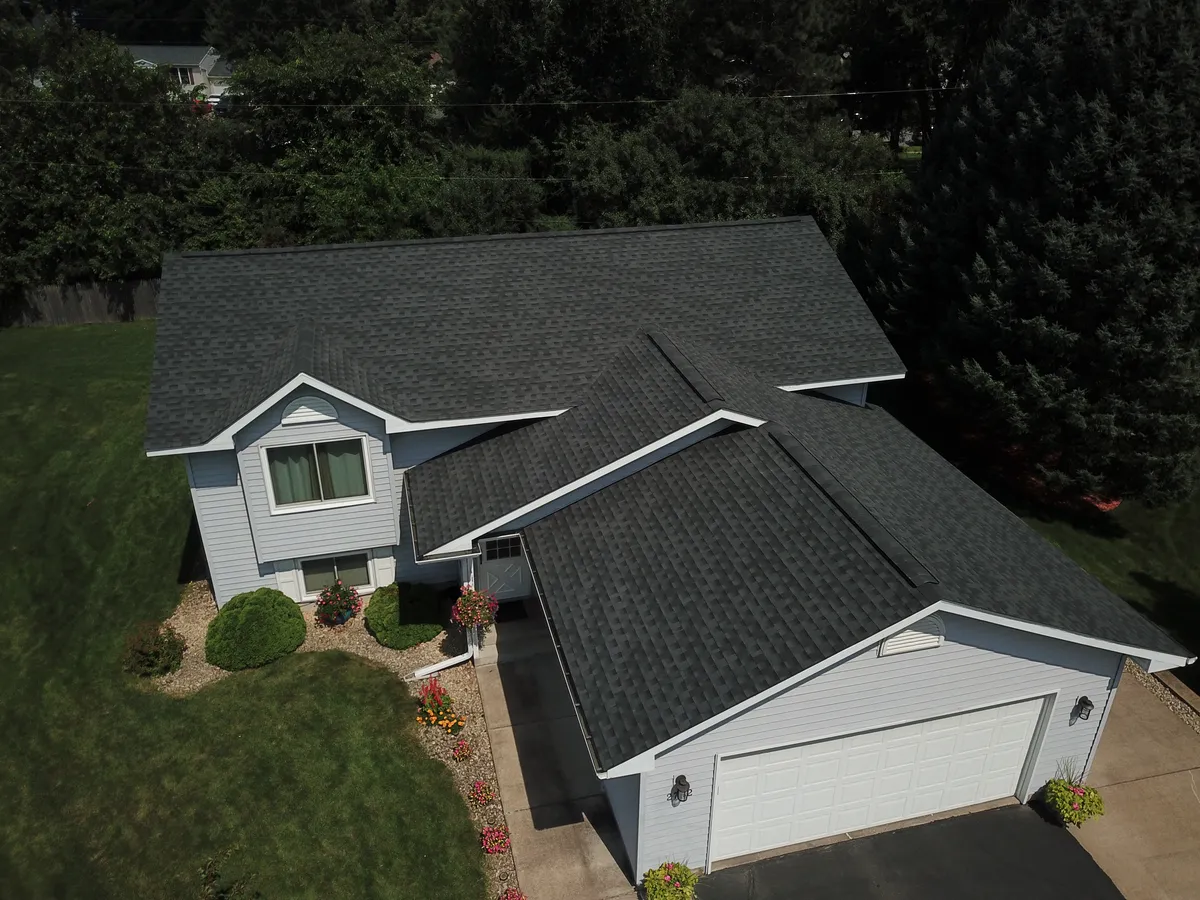
Top 5 Signs Your Roof Survived the Winter
Winter can be tough on roofing systems, and not all damage shows up in obvious ways once the snow melts. Many homeowners assume everything is fine after a quick glance, but underlying issues often go unnoticed without a proper roof inspection. Early awareness helps you avoid larger problems while keeping your home protected as seasons change.
Most roofs that appear intact after winter still benefit from a closer evaluation to confirm there are no hidden concerns. A thorough roof inspection helps identify subtle wear caused by freeze-thaw cycles, heavy snow, and ice buildup. Knowing what to look for after winter helps you stay ahead of damage rather than reacting to costly repairs later.
1. No Missing or Damaged Shingles After Winter
A roof that comes through winter without missing or visibly damaged shingles often suggests it handled snow loads and wind exposure effectively. Clean roof lines and consistent coverage usually indicate materials stayed in place despite harsh seasonal conditions. Surface appearance alone can be misleading, which is why a closer evaluation still matters after winter.
Shingles can remain intact while underlying components experience stress from freeze-thaw cycles and trapped moisture. Subtle weakening of fasteners or underlayment may develop without visible surface damage.
Granule loss can occur gradually, reducing protection even when shingles look structurally sound from a distance. Reduced granule coverage exposes materials to faster wear once spring weather begins to shift conditions.
Minor lifting along edges may not be noticeable from the ground, but can compromise sealing over time. Small gaps allow moisture to enter, especially during early-season rain events following winter.
A professional roof inspection confirms whether your roof truly avoided damage beyond what is visible from the exterior. Trained evaluations identify hidden vulnerabilities that homeowners cannot safely detect on their own. Even when no shingles appear damaged, scheduling a roof inspection ensures long-term performance remains intact.
2. Shingles Remain Flat Without Curling or Cracking
Shingles that remain flat without curling or cracking often indicate they have handled freezing temperatures and winter conditions without obvious surface failure. Smooth, uniform lines across the roof suggest that the materials retained their flexibility rather than becoming brittle under repeated cold exposure.
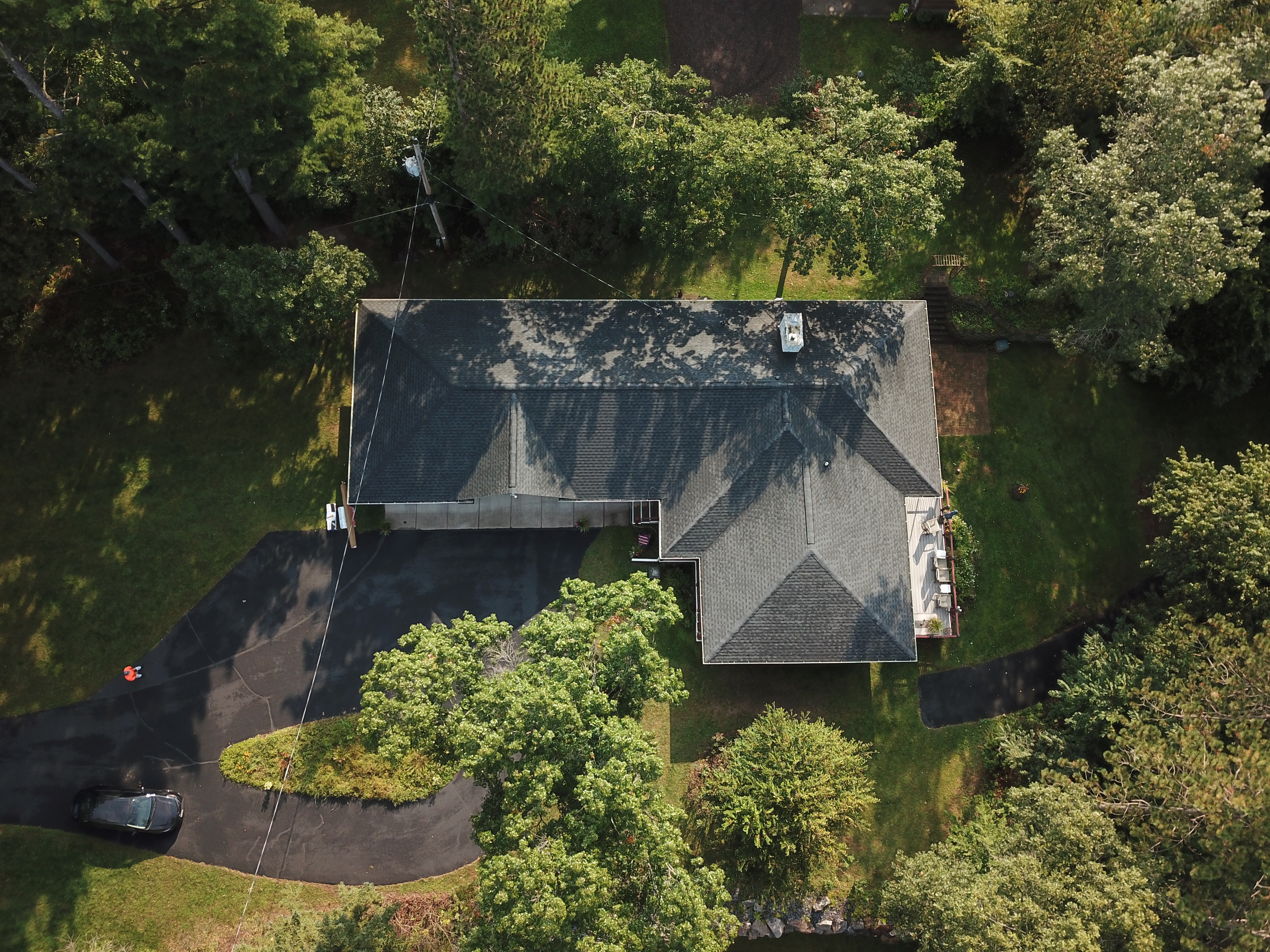
Even with a clean appearance, surface condition alone does not confirm the roof avoided deeper stress or wear.
Adhesive seals may weaken underneath shingles during freeze-thaw cycles, reducing their ability to stay properly bonded over time.
Small cracks can form around nail points or edges, which are difficult to spot but can expand with continued exposure.
Granule loss may occur gradually, lowering protection levels even when shingles still look intact from the ground.
Freeze-thaw movement places constant pressure on roofing materials, which can cause internal fatigue without visible warning signs. Structural integrity may decline slowly while shingles continue to appear aligned and undamaged. Conditions like these often go unnoticed until moisture begins to penetrate weakened areas.
A professional roof inspection evaluates whether flat, good-looking shingles are still performing at the level your home requires. Trained contractors identify early-stage issues that do not show up during a basic visual check from the ground. Even when shingles appear perfectly flat, a roof inspection ensures that hidden winter damage does not lead to costly repairs later.
3. Flashing and Roof Seals Show No Visible Separation
Flashing and seal points that remain tight after winter usually indicate your roof maintained its protective barriers through snow and ice exposure. Areas around chimneys, vents, and valleys often take the most stress during freeze-thaw cycles and heavy buildup. Even when everything looks sealed from the outside, small separations can develop without being immediately visible.
Loose flashing edges
Cracked sealant lines
Minor lifting around penetrations
Gaps forming at roof valleys
Rust or corrosion on metal flashing
Temperature swings cause expansion and contraction, which gradually weaken seal integrity at connection points. Small gaps may not be visible from the ground but can allow water intrusion during spring rain conditions. Early-stage failure often begins in these areas before spreading into more noticeable roof damage.
A professional roof inspection checks flashing and seals closely to confirm they are still watertight and secure. Trained contractors look for subtle signs of failure that homeowners typically cannot identify during a visual check. Even when seals appear intact, a roof inspection ensures there are no hidden vulnerabilities after winter.
4. No Water Stains or Moisture Issues Inside Your Home
A dry attic and clean interior ceilings usually suggest that your roof kept moisture out during winter. The absence of visible stains or damp insulation often indicates that leaks did not develop under snow or ice buildup. Interior spaces can still hide early warning signs that are not immediately obvious without closer inspection.
Light discoloration in the attic
Slight insulation dampness
Musty or trapped air smell
Dark spots along rafters
Minor ceiling texture changes
Moisture can enter in small amounts and remain undetected until conditions allow it to spread or worsen. Insulation may hold dampness without showing clear signs on ceilings or walls below. Early indicators like these often signal minor roof issues that can grow if left unaddressed.
A professional roof inspection connects interior conditions with exterior performance to identify the source of potential problems. Contractors assess both attic spaces and roofing systems to confirm that moisture has not compromised structural components. Even when no stains are visible, a roof inspection provides assurance that hidden leaks are not developing.
5. A Roof Inspection Confirms No Hidden Winter Damage
A roof that looks intact after winter can still carry hidden issues that only show up under closer evaluation. Surface-level checks often miss early-stage damage caused by freeze-thaw cycles, ice buildup, and prolonged moisture exposure.
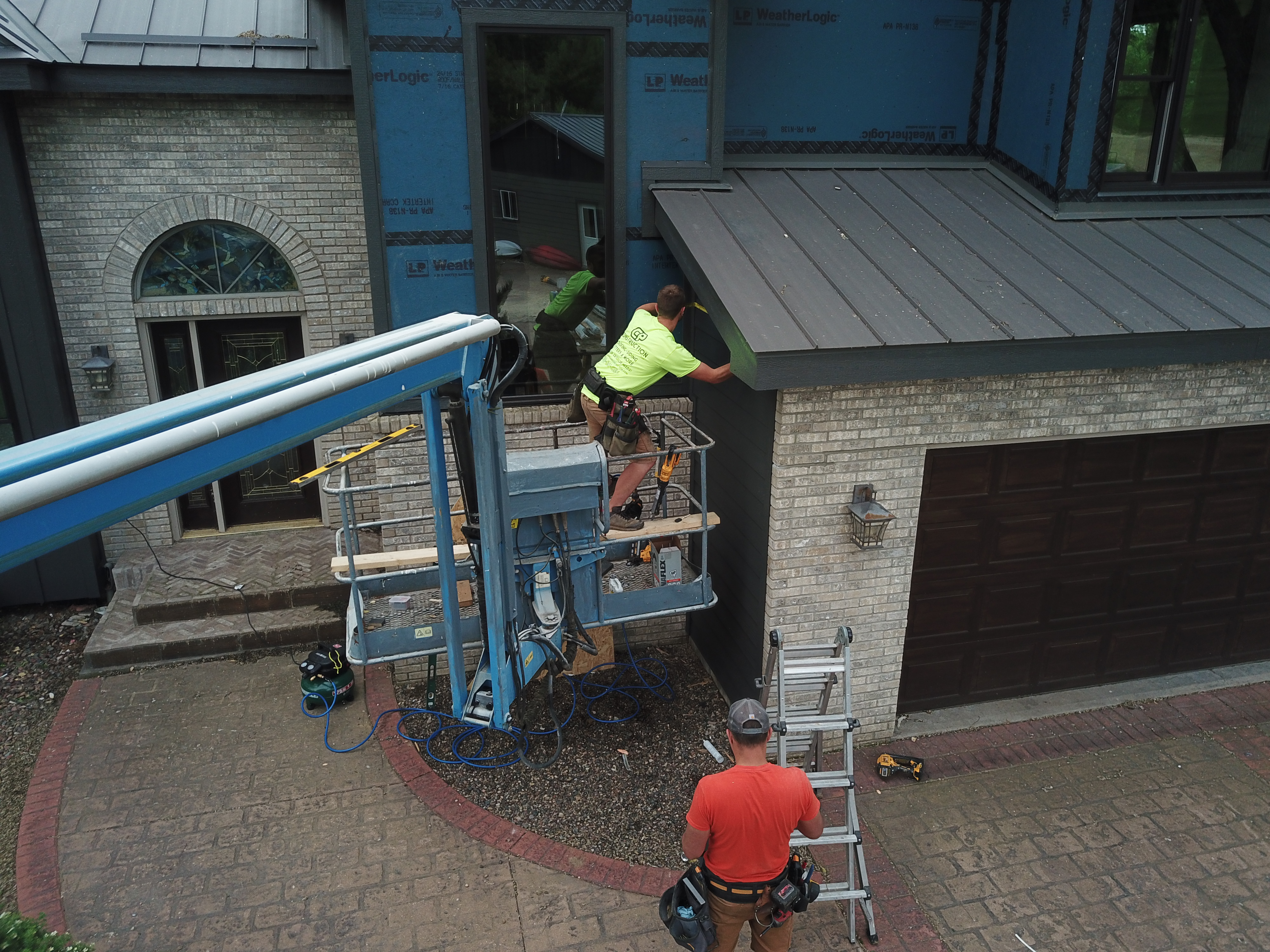
A professional roof inspection provides a full-picture assessment that confirms whether your roof truly made it through winter without problems. These include:
Soft spots beneath shingles
Compromised underlayment areas
Hidden moisture pockets
Loose or stressed fasteners
Early-stage structural wear
Winter conditions place stress on every layer of your roofing system, not just the visible materials on top. Hidden damage tends to develop slowly and remains undetected until it manifests as leaks or structural issues. Catching these issues early allows you to address them before they escalate into costly repairs.
Schedule Your Roof Inspection Before Small Issues Turn Into Repairs
Your roof may show all the right signs after winter, but hidden damage can still develop beneath the surface. Small issues often stay unnoticed until spring weather adds rain and wind stress. A roof inspection helps confirm everything is performing properly before minor wear turns into costly repairs.
CP3 Contracting delivers straightforward roof inspection services that focus on real conditions, not assumptions. Experienced crews evaluate both visible and hidden components to give you a clear understanding of your roof. Schedule your roof inspection with us at CP3 Contracting going forward.