Local Hail Storm Recap: What Homeowners Should Know
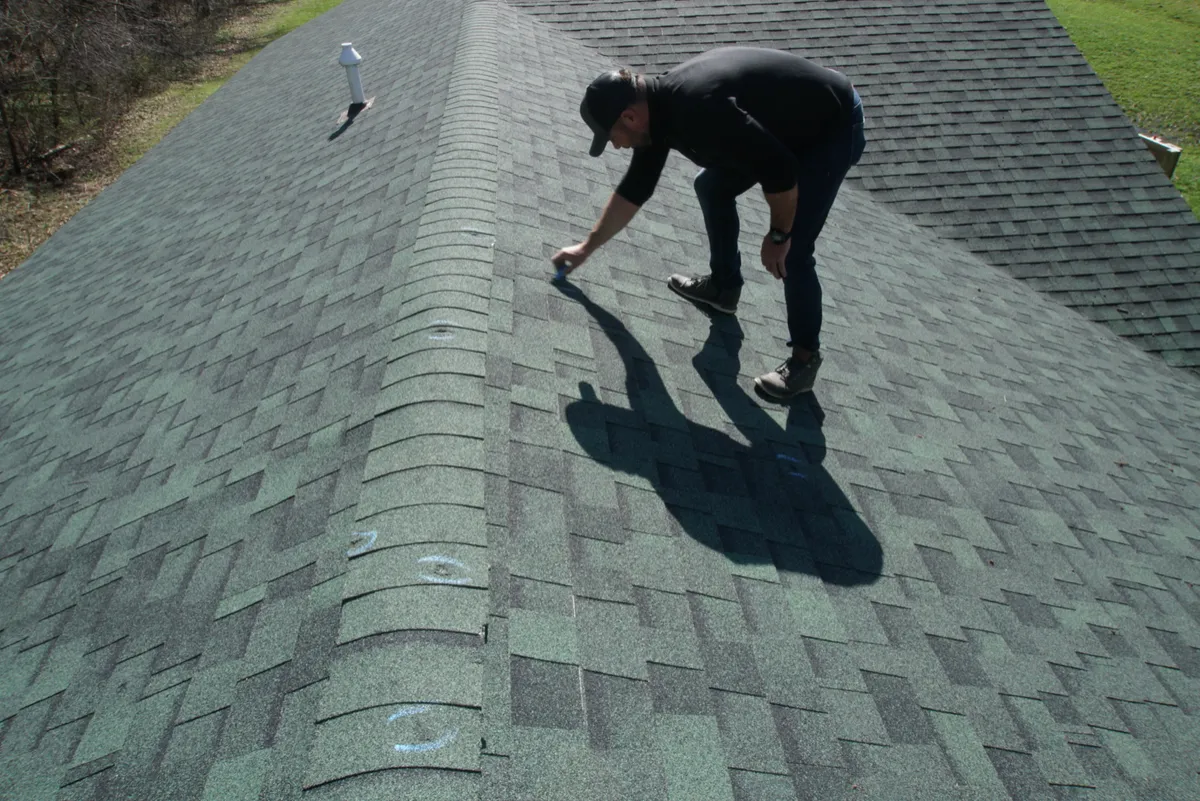
The recent weather patterns have left many residents feeling uncertain about the structural integrity of their properties. Identifying hail damage to the roof early is the most effective way to prevent costly leaks and internal water damage during the next rainfall. Our community deserves a transparent look at how these environmental shifts impact local housing and what proactive measures can be taken right now.
Many homeowners find themselves overwhelmed by the technical requirements of restoration and the complexities of insurance paperwork. Since the local climate can be unforgiving, staying storm ready helps ensure your sanctuary remains protected against the Midwest's unpredictable elements. Knowledgeable guidance helps turn a stressful situation into a manageable plan for long-term home security and peace of mind.
How Do Recent Weather Patterns Impact Your Home?
Understanding the specifics of a recent storm is essential for gauging the potential for hidden structural issues. High wind gusts and large hail can impact shingles with significant force, often bruising the underlying matting without immediately showing exterior signs. Addressing these concerns promptly helps homeowners maintain the safety and value of their investment before the next season arrives.
What Are the Specific Details of the Recent Storm?
The recent storm brought a combination of high velocity winds and hailstones measuring over 1 inch in diameter to several residential zones. These conditions are particularly aggressive toward standard asphalt shingles, as the ice's kinetic energy can instantly strip away protective granules. Consequently, many properties that appeared fine from the ground may have suffered significant functional damage during the peak of the event.
While the visible debris might have been cleared from the streets, the lingering effects on building envelopes often go unnoticed by the untrained eye. Property owners should be aware that peak wind gusts reached levels capable of lifting shingle tabs and breaking the factory seals. Consequently, maintaining a hail damage roof strategy is vital to preventing the slow seepage of water into the attic spaces over the coming months.
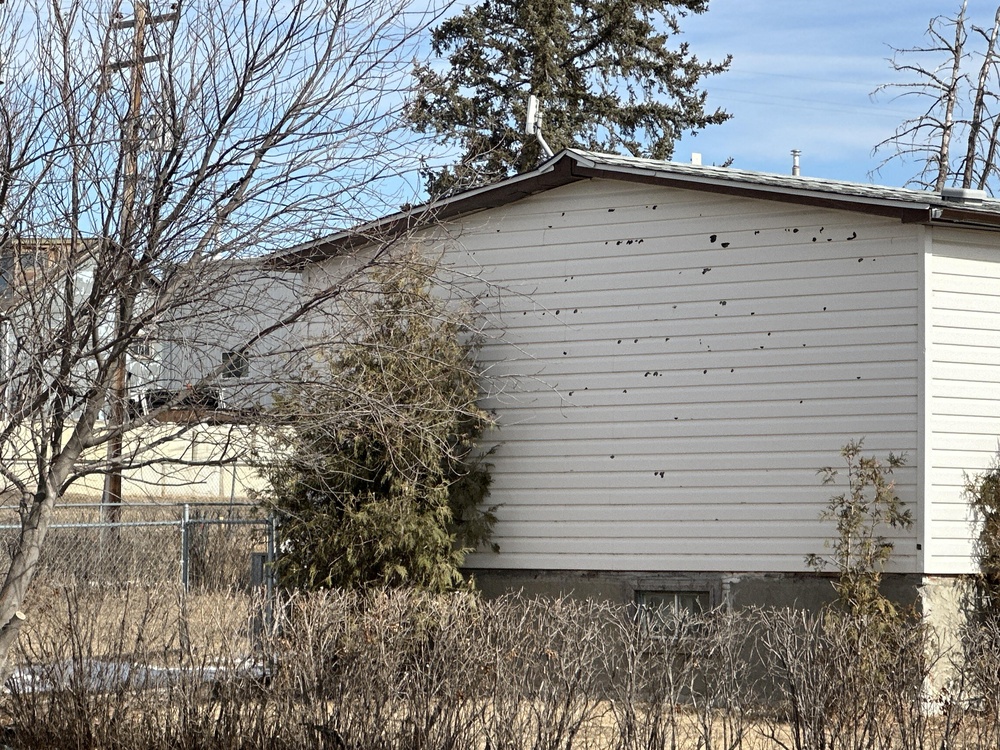
Furthermore, the storm's duration meant that homes were subjected to repeated impacts over an extended period. This sustained battering often leads to micro-cracks in siding and dented soft metals along the roofline. Since the weather has now calmed, it is the ideal time to evaluate the exterior and determine if the structural barrier remains fully intact.
What Are Local Crews Observing in Your Neighborhood?
Field teams currently working throughout the area are reporting a high frequency of bruised shingles and fractured ventilation caps. These observations are consistent across various neighborhood styles, indicating that the recent storm was widespread rather than isolated. Therefore, homeowners should be cautious of assuming their specific street was spared based solely on a quick visual glance.
Siding Damage: Dented aluminum or fractured vinyl panels that compromise the home's outer shell.
Wooden Fixtures: Pockmarks on decks and fencing that can lead to premature wood rot.
Skylight Integrity: Cracked or shattered glazing that poses an immediate risk for interior water leaks.
Chimney Flashing: Dislodged metal seals that allow moisture to enter the most vulnerable roof joints.
Granule Accumulation: Heavy sediment found in splash blocks indicates the shingles are losing their protective layer.
Because these issues can lead to mold and rot if left unaddressed, documentation is the first step toward a successful restoration. Seeing these patterns across multiple properties confirms that the impact was substantial enough to warrant a professional look. Residents are encouraged to remain storm-ready by staying informed about the condition of their exterior surfaces.
How Can You Perform a Quick DIY Safety Check?
Before calling for professional assistance, you can perform a safe ground-level inspection to identify obvious signs of distress. Start by examining your air conditioning unit, as the delicate fins are highly susceptible to denting from falling ice. If the metal looks hammered or compressed, it is a clear indicator that the hail damaged roof surfaces likely sustained similar or greater force.
Next, walk the perimeter of your home and check for piles of mineral granules at the ends of your gutters. Large amounts of sand in the splash blocks suggest that your shingles have lost their UV protection and are now vulnerable to the sun. You should also look at your Gutter Maintenance Guide to see how proper drainage protects your foundation after a major weather event.
Finally, observe the soft metals around the home, such as the mailbox, garage door, or metal flashing. These surfaces often show the clearest hits and can help you map the hail's direction and intensity. While a DIY check is helpful, it is merely a preliminary step in a much larger process of ensuring your home remains a safe and dry sanctuary.
How Do Local Building Codes Impact Your Repairs?
Local regulations often dictate specific requirements for materials and installation methods during a full replacement. For instance, many jurisdictions require the installation of ice and water shields along the eaves to prevent damming during the winter months. Understanding these codes is essential to ensuring that any work performed on your hail-damaged roof is fully compliant and legally sound.
Wind-Load Ratings: Specific requirements for how shingles must be attached to withstand high-velocity gusts.
Drip Edges: The mandatory installation of metal edges to direct water away from the fascia.
Ventilation Ratios: Updated standards for airflow to prevent heat buildup and attic moisture issues.
Permit Protocols: The necessary paperwork to be filed with the city before any structural work begins.
Final Inspections: Mandatory reviews by local officials to certify that the repair meets all safety standards.
Because these rules vary by municipality, working with someone who understands the local landscape is a significant advantage. Following the Sustainability Policies of modern construction ensures your home is not only code-compliant but also environmentally responsible. This attention to detail prevents future headaches during property appraisals or insurance renewals.
Why Is Community Support Vital During Recovery?
Recovering from a major weather event is often a marathon rather than a sprint for most families. Having a reliable local resource means you have access to information that is specific to our region and its unique architectural challenges. Staying storm-ready involves more than just physical repairs; it requires a community focused approach to rebuilding with integrity and longevity.
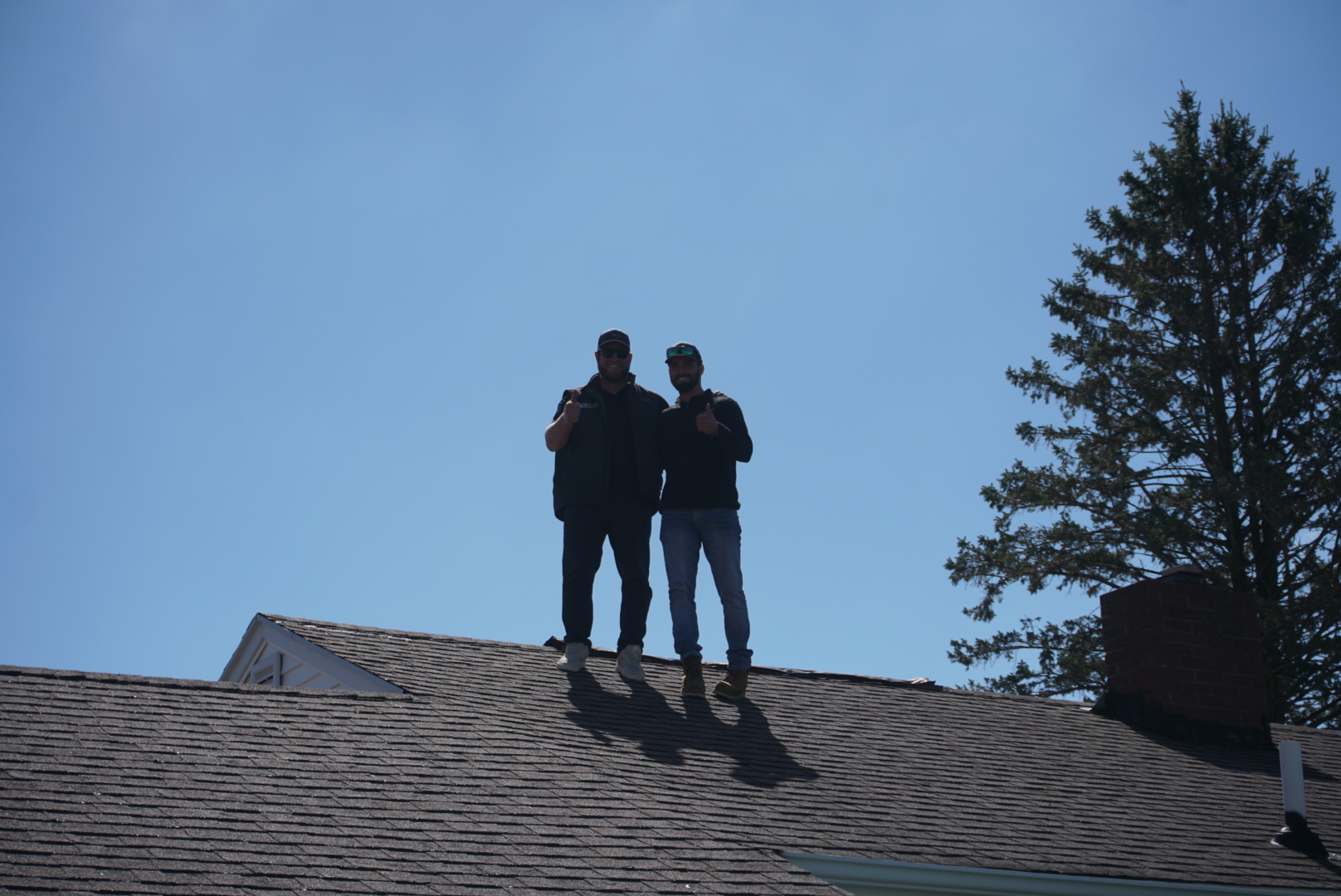
By prioritizing quality and transparency, the restoration process becomes an opportunity to enhance the home rather than just a chore. You can read more about Local Restoration Stories to see how other neighbors have successfully navigated the path from damage to a fully restored exterior. This shared experience strengthens the neighborhood and ensures that every home is prepared for whatever the next season brings.
Ultimately, the goal is to provide a seamless transition from the chaos of a storm to the comfort of a finished project. Transparency in communication and a commitment to local values help bridge the gap between technical construction and personal service. We remain dedicated to the idea that every homeowner deserves a sturdy, beautiful roof that stands the test of time and weather.
Restoring Your Peace of Mind
When a storm hits our community, CP3 Contracting is here to help you pick up the pieces with integrity and expertise. We understand the specific anxieties that come with property damage and the confusion of navigating insurance requirements. Our team focuses on providing a consultative experience that prioritizes your family's safety and your home's long-term structural health.
We know the local climate and homes because we live here, too. By focusing on craftsmanship and honest communication, CP3 Contracting ensures that your restoration project is handled with the highest level of care. Don’t let the last storm linger. Schedule a local inspection with CP3 Contracting to see how we can help restore your property.